embassy news
In the early morning hours of November 4th 2020, I woke up to messages that the Northern Command of the Ethiopian National Defense Force had been attacked by militia loyal to and organized by the TPLF clique. My heart sank with realization that after twenty-eight years of oppression yet impunity, two and half years of provocation, and months of belligerence drumming up the war narrative, TPLF had openly demonstrated they were against the stability of the Ethiopian state and welfare of the Ethiopian people. After all, no patriot with love for country, would treasonously attack the guardians of its own national sovereignty – the Ethiopian National Defense Forces.
In the initial days following the Prime Minister’s announcement of rule of law operations commencing in the Tigray region, a flurry of international media headlines and stories startled me. In what seemed like an orchestrated narrative, reporters, news anchors, broadcasters, self-declared “political analysts” the world over began to emblazon their news headlines and content with ‘Nobel Winner.’ Beyond an effort to inform readers and listeners on who the protagonist to the current issue in Ethiopia was, the diligence with which the reference to the Prime Minister’s 2019 Nobel Prize was being used was sinister to say the least.
In what I believe to be a common trend of western media coverage of African countries, essentializing and condensing complex issues and historical context into a single narrative became immediately apparent of coverage on Ethiopia. It is not so much the heavy-handed attempts to tarnish the reputation of the Prime Minister that was concerning. Rather the disregard for context and background in coverage of what transpired on November 4th 2020 was worrying.
By disregarding and glossing over the genesis of TPLF’s transgressions that left the Federal Government with no other option except to respond, in my opinion, some western media became culpable in legitimizing the crimes and gross human rights violations of a renegade clique. It is no surprise that sensationalism sells stories more than hard facts do. Yet whitewashing almost three decades of corruption, deep networks of criminality stretching beyond national borders, overt and covert schemes to destabilize Ethiopia and the Horn region over the past two and half years by the architects of ethnic strife, is a betrayal to millions of Ethiopians that have been freed from the shackles of TPLF’s destructive hegemony.
The dual ‘victim/hero’ narrative concocted by the TPLF clique and perpetuated by their global proxies unwittingly or otherwise, for example, overshadowed mass atrocities committed in Mai Kadra by youth affiliated with TPLF. While both Amnesty International and the Ethiopian Human Rights Commission cited in their reports that crimes against humanity were committed against more than 1000 innocent civilians hacked to death in one night by TPLF’s ‘Samri’ youth vigilante, many international media and pundits buried their heads in the sand. As the ‘Nobel Winner’ touting continued by international media and so- called “analysts,”even international human rights organizations in their unrestrained rush for breaking news became a source of disinformation online, misrepresenting Mai Kadra reports through their official account, only to delete and apologize hours after their disinformation had spread.
The “pre-emptive” attack, as declared boastfully and publicly by the TPLF, that prompted a government offensive against a belligerent group, is without a doubt a source of pain for all Ethiopians – citizens and government. Armed confrontations take a toll on people’s lives. On those directly affected and all others indirectly affected. The misery and pain of many innocent people caught in circumstances that are not of their choosing is unbearable. And this is a painful feeling that permeates those in government even more.
With the purposeful destruction of telecommunication and electric transmission infrastructure by TPLF, many families were disconnected until recently. Yet while negative and hollow stories of an ‘African nation yet again mired in conflict and despair’ spread with the speed of lightening, the international media also failed to address the cause of communication line disruptions and rather parroted the narrative of TPLF’s well financed and organized digital media trolls. It is no secret that during the TPLF’s reign and particularly in the past two and half years, they organized a network of youth twitter and Facebook “activists” that were paid to spew false narratives which have been not only the source of disinformation but also catalysts for communal violence along ethnic and religious lines.
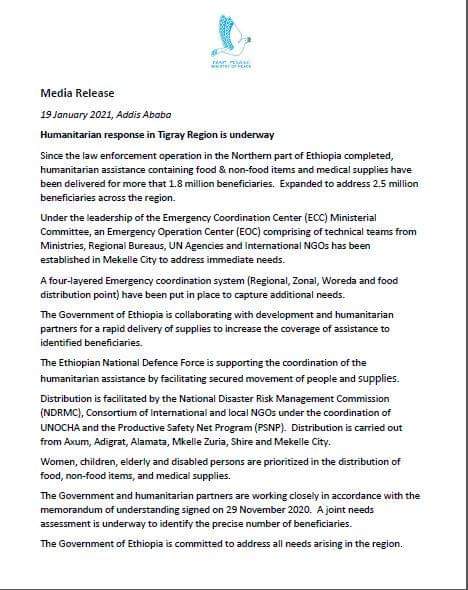
Many other important issues also failed to make it on international media with the same zeal as the war narrative: the Prime Minister’s visit to Mekelle following the completion of the military operations; the successful formation of the Tigray Provisional Administration in many cities and towns across the region; the Federal Government’s successful provision of humanitarian assistance including medicine in its joint effort with international partners; the infrastructure repair works undertaken to restore electricity and telecommunications; the graduation of thousands of students from Mekelle University; resumption of flights to the Tigray region, and more recently, the apprehension and or demise of the clique’s key ring leaders.
Indeed, media must shed light on important issues and matters shaping the lives and suffering of citizens. Yet this must be done so in a manner that does not cast doubt on credibility of the media house and its allegiance. While African countries are put under the microscope of media, speech freedoms and democratic rights indexes designed and crafted by institutions that are neither African nor are inclusive of African voices, there is a necessity to ascertain that international media houses operating in loose yet close networks are not reflecting the political interests of the origin countries when producing stories on African countries. I should not be misconstrued here as expecting news reporting only to advance government positions. In fact, I believe an effective media that scrutinizes the work of any government is an essential component of a functioning democracy. Rather, I argue that news needs to be anchored in a nuanced and in-depth understanding of the context and people of a country, region, continent. Otherwise, it would fall flat as a colonial narrative!
In closing, I would like to address one crucial point. Prime Minister Abiy Ahmed’s 2019 Nobel Prize was a deserved win that no amount of hatred or deliberate misrepresentation of character can take away. In 1998, when war broke out between Ethiopia and Eritrea, millions of lives were affected during a span of two decades which was shadowed by mutual suspicion and enmity among people within and outside of the country. Many lives have been torn apart as a result and many missed opportunities for shared prosperity of the two countries. To have managed to end such a status quo is something that no entity or individual can take away from the person that enabled this process – award or no award!
Indeed, the Nobel Peace Prize is a prestigious honour bestowed upon guardians of peace. However, to assume that this honour is a covenant for shaming and berating governing leaders with active national responsibilities into inaction, when faced with a grave threat of state disintegration and chaos, is simplistic at best!
In the end, whether the West champions the notion or not, Ethiopians will forever remember Prime Minister Abiy Ahmed as the leader that remarkably ended TPLF’s three-decade hegemony, marked by state capture, high level corruption and embezzlement, treason, ethnic violence, grave crimes against humanity, institutional degeneration and moral decay. And for this, those that suffered these ills will award him for the accolade that matters most – keeping Ethiopia together!
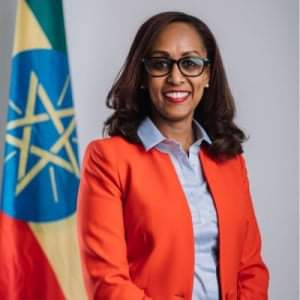
Ed.’s Note: Billene Seyoum is Press Secretary for the Office of the Prime Minister of Ethiopia. The views expressed in the article do not necessarily reflect the views of The Reporter.
Check out our weekly newsletter. Get major news stories in this week about Ethiopia.
#EthiopiainBelgium
https://sh1.sendinblue.com/ae1eki259xt7e.html?t=1610963415
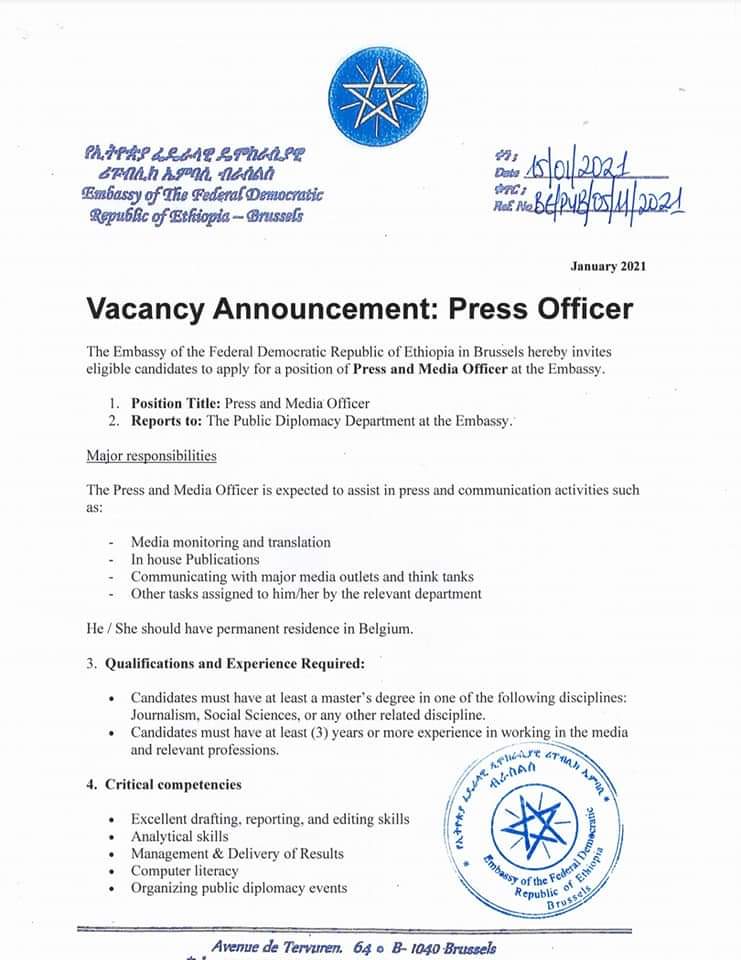
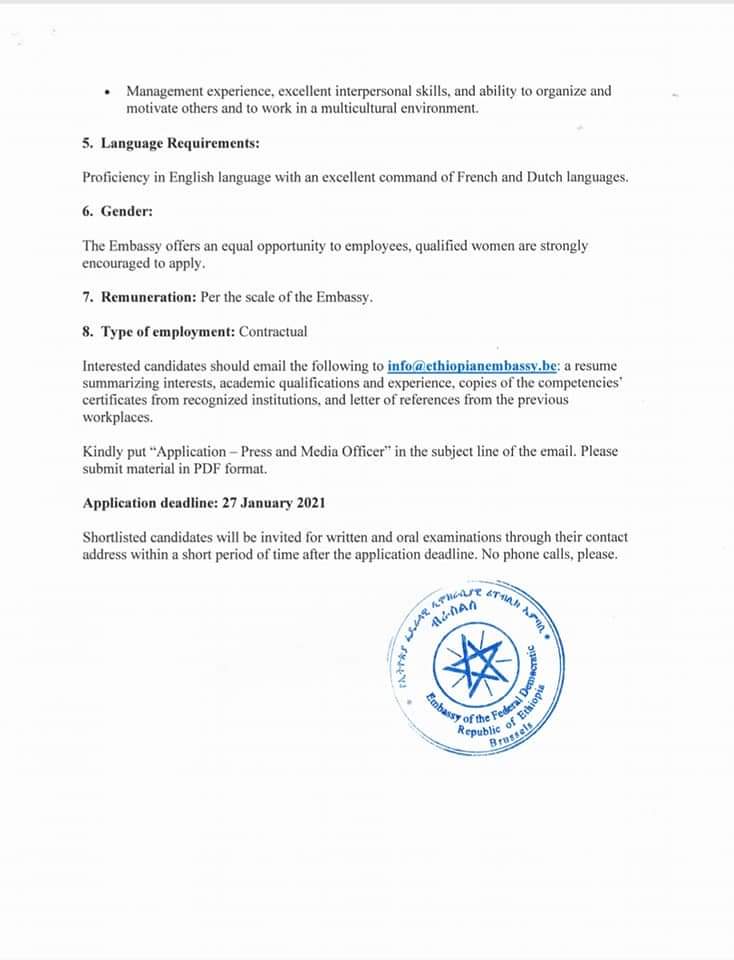
The Embassy of Ethiopia in Brussels hereby invites eligible candidates to apply for a position of Press and Media officer at the Embassy.
Full Discussion: ‘Policy Matters’ with Melesse Minale Tashu, Senior Macroeconomic Advisor, National Bank of #Ethiopia and PMO, on the new draft Stock Exchange Proclamation.
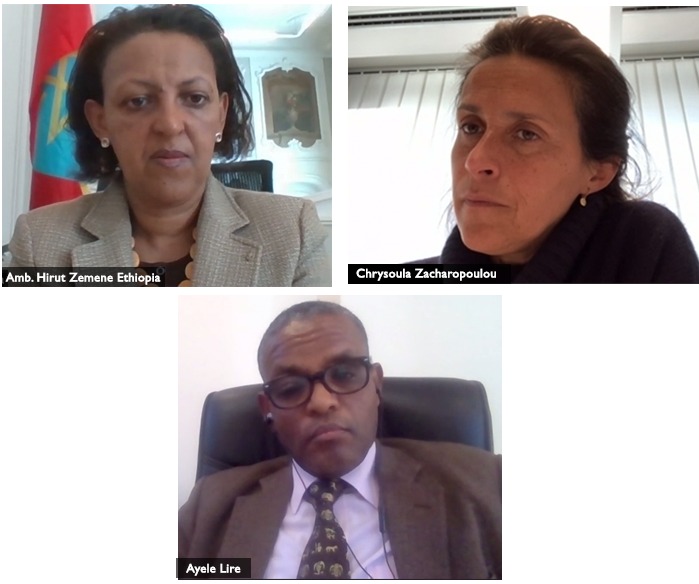
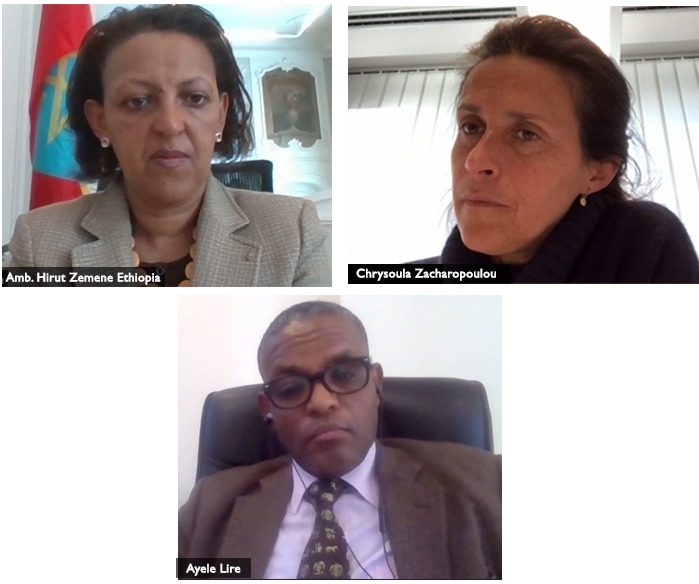
Today on the 13th of January 2021, H.E Ambassador Hirut Zemene exchanged views with Honourable Chrysoula Zacharopoulou, Vice-Chair of the Development Committee and the Delegation to the ACP-EU Joint Parliamentary Assembly at the European Parliament. The two sides conferred on the latest developments in Ethiopia with a focus on the humanitarian situation in Tigray Region, the upcoming regional and national elections in Ethiopia on early June 2021, the overall reform process in the country, and other developments in the Horn of Africa region.
Ambassador Hirut Zemene briefed Honourable Chrysoula Zacharopoulou on the works done to restore law and order in Tigray, to provide humanitarian assistance to those affected by conflict, the preparations being made to hold the upcoming regional and national elections in Ethiopia, and the overall reform programs being undertaken in Ethiopia.
Honourable Chrysoula Zacharopoulou on her part recalled the visit her delegation made to Ethiopia in February 2020, the progresses she witnessed in terms of political and economic reform, and she reiterated the need for sustaining the democratic reform and stability in Ethiopia.
The two sides agreed to hold frequent exchanges of views on issues of mutual interest in the future.
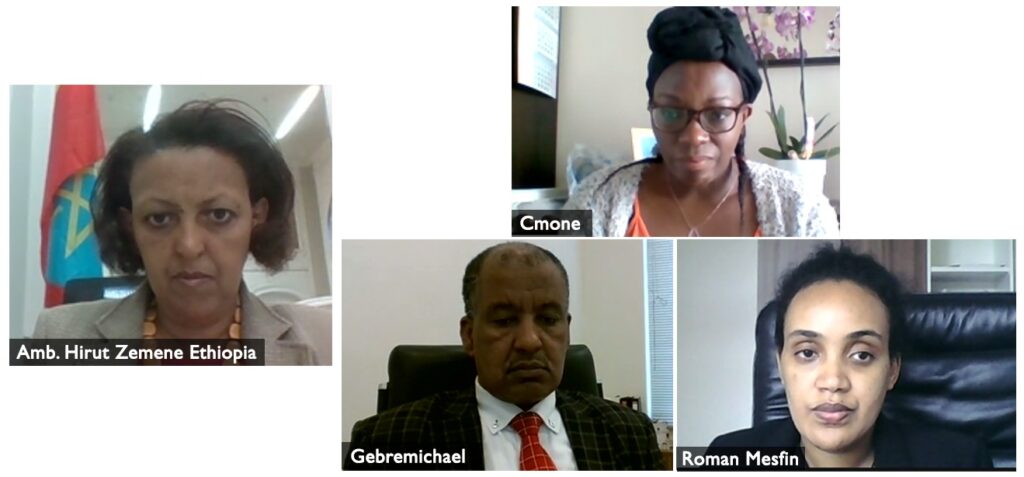
Today January 12, 2021, H.E. Ambassador Hirut Zemene held a virtual discussion with Mrs. Carole MONE, Area Manager of Export for Sub-Saharan region and Africa of Hub Brussels Investment and Export Agency, on how to promote business links with the Brussels Capital region.
H.E. Ambassador Hirut explained the priority areas of investment in Ethiopia that could be of interest to investors in Brussels Capital region, such as in light manufacturing, tourism, and ICT development.
Mrs. Mone also noted significant number of Belgian companies that are interested to do business in Africa and Ethiopia.
The Embassy is strengthening its collaboration with Belgian’s three important regions namely Flanders, Wallonia, and Brussels Capital region in promoting investment opportunities in Ethiopia.
In Collaboration with the other two regional investment and export agencies, Hub Brussels is planning to organize an economic mission to Ethiopia by the second half of 2021.
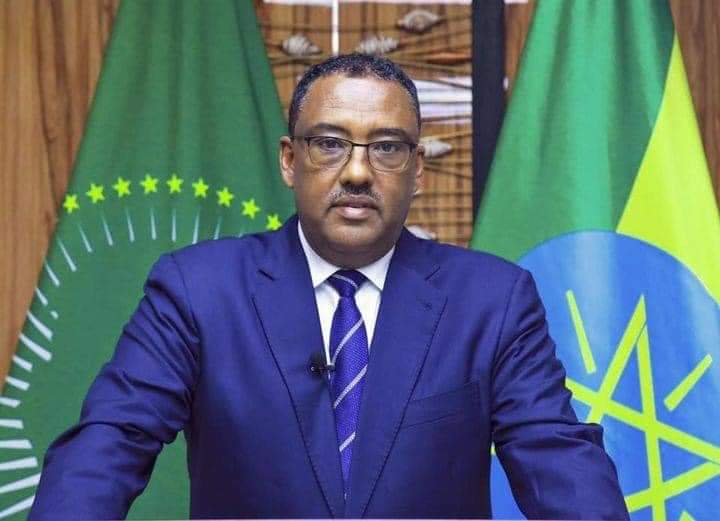
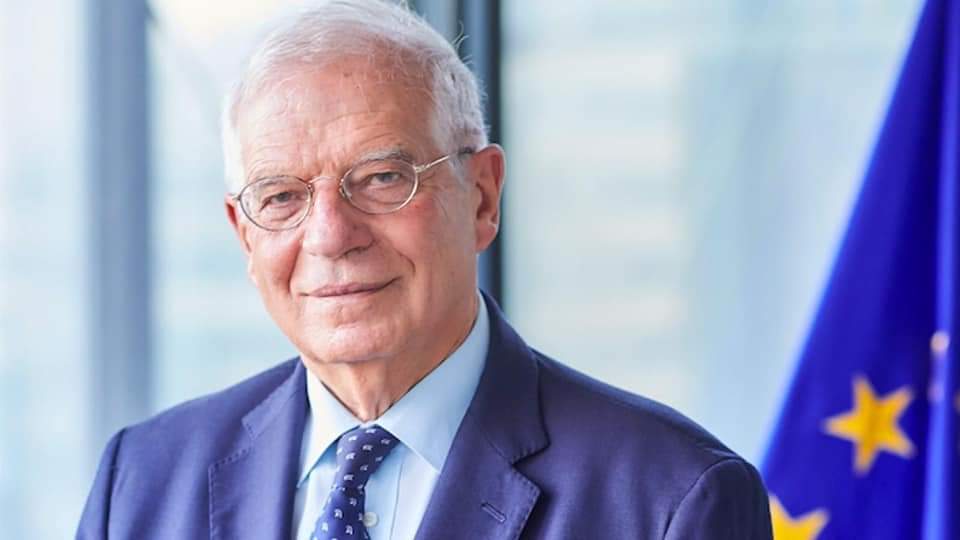
H.E. Mr. Demeke Mekonnen, Deputy Prime Minister and Foreign Minister of the Federal Democratic Republic of Ethiopia and Mr. Joseph Borrell, High Representative for the Foreign Affairs and Security Policy of European Union conferred today over the phone and exchanged views on the current humanitarian situation in Tigray region.
H.E. Mr. Demeke briefed the High Representative on the reconstruction and rehabilitation activities in the region which is being implemented under a cluster-based coordination mechanism.
The Government and humanitarian organizations are working in close coordination to effectively address the humanitarian needs in the region, said Mr. Demeke.
Both the Deputy Prime Minister and the High Representative have agreed to continue to work closely to scale-up the efforts in the provision of humanitarian assistance in the region and strengthen the closer collaboration between Ethiopian and the European Union.
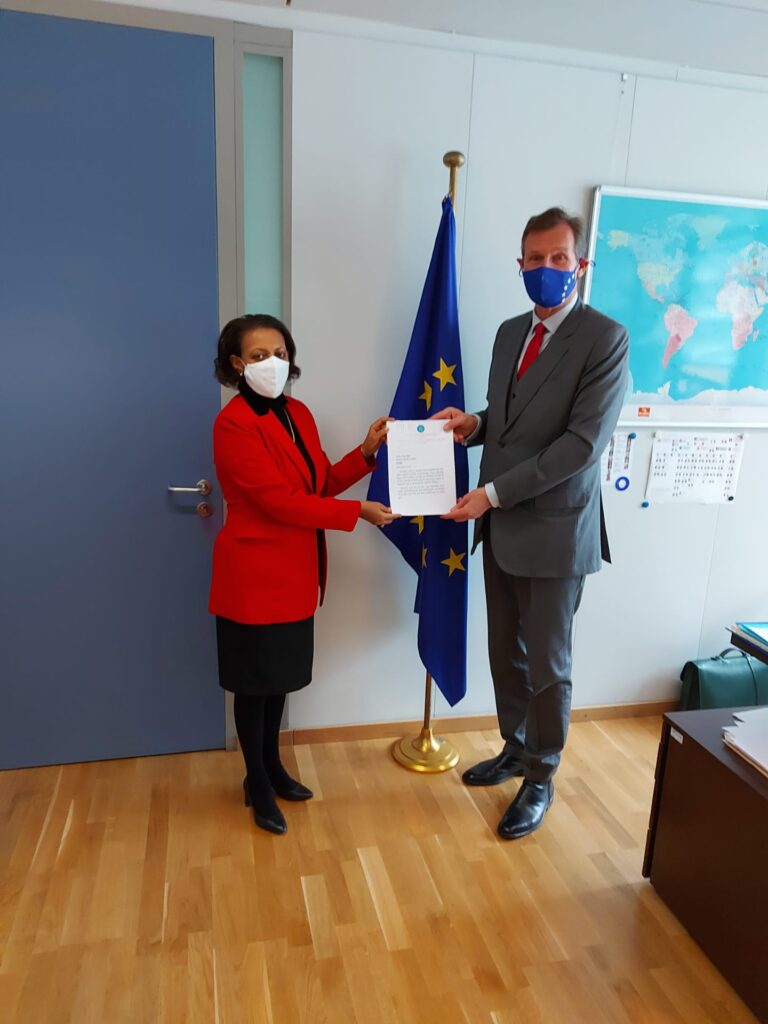
Today, 5th of January 2021, H.E Ambassador Hirut Zemene presented copy of her letter of credence that accredited her to the European Union institutions to His Excellency Mr. Nicolas de LA GRANDVILLE, Chief of Protocol of the European Commission.
On the occasion, H.E Ambassador Hirut and the Chief of Protocol had the chance to exchange views on how the handing over of the letter of credence will facilitate the working relations between the Embassy and the EU institutions.
Ethiopia and the EU have more than half a century long relations and cooperation that has been upgraded towards strategic partnership.
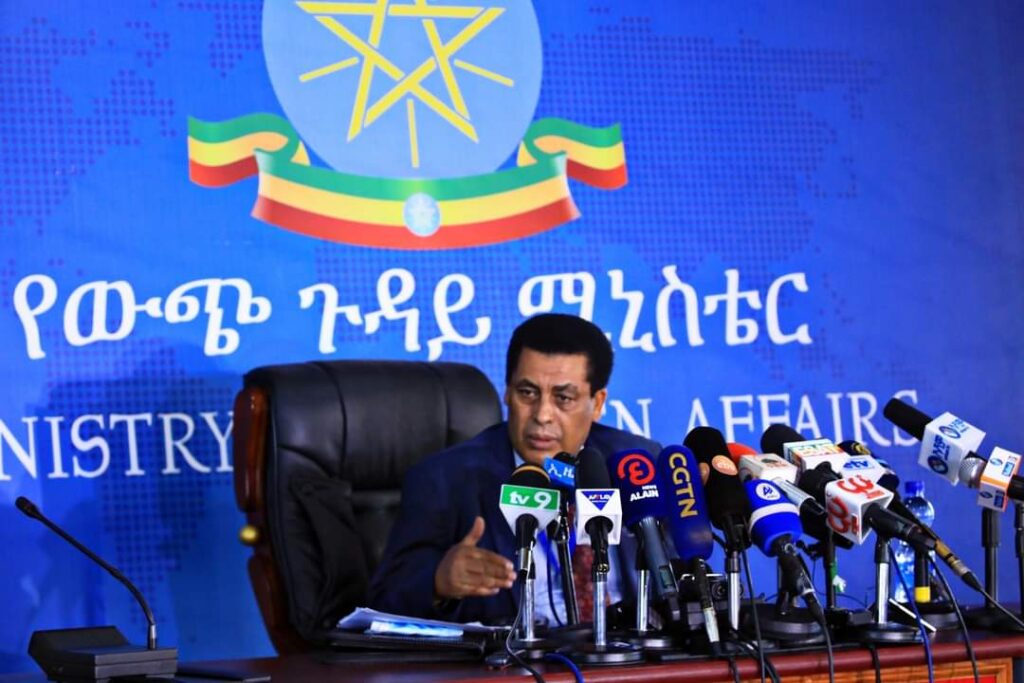
The spokesperson of The Ministry of Foreign Affairs of Ethiopia, H.E. Ambassador Dina Mufti, gave the Ministry’s biweekly press briefing today (05 January 2020) to the media. In his presentation, the Ambassador focused on activities related to the law enforcement operation in Tigray, the current Ethiopia-Sudan Border dispute, the Grand Ethiopian Renaissance Dam (GERD), and citizen-centered diplomatic activities within the past two weeks. Please find the summary here:
I. DEVELOPMENTS IN TIGRAY
1. Briefings to Ambassadors and HRDG representatives
Deputy Prime Minister and Foreign Minister, H.E. Mr.DemekeMekonnen, together with senior government officials, discussed yesterday with Ambassadors and representatives of members of Human and Resilience Donor Group (HRDG) on the current humanitarian situation in Tigray.
• Mr.Demeke appreciated member countries of the Group for their support and briefed the Ambassadors on the ongoing humanitarian activities in the Tigray region and the results achieved thus far.
• The Deputy Prime Minister said food items, commodities, and medical supplies are being provided in the region to address the needs of the beneficiaries.
• As agreed between the Government of Ethiopia and the UN Resident Coordinator, and using the existing coordination mechanism, the provision of humanitarian assistance is going as planned said the Deputy Prime Minister.
• Recalling the colossal destruction caused on infrastructure by the TPLF junta, Mr.Demeke briefed the Ambassadors on the daunting task of reconstruction that is now underway with telecommunication lines being restored in almost all parts of the region and financial institutions resumed their operations.
• Relevant government institutions are working closely with donor communities and will continue to do so to effectively and timely address issues of refugees and those who need humanitarian assistance.
• The interim administration is also working tirelessly in making sure that different levels of the administration of the region provide the necessary services including engaging the community to effectively respond to the development needs of the people in the region.
• Ministers and other officials of the Ethiopian government present at the meeting also provided detailed information on the work that is underway to address the humanitarian situation in Tigray.
• An understanding was reached to continue the engagement with the Group to work together to further scale-up humanitarian activities in the region.
• The Ambassadors appreciated the government of Ethiopia for taking the initiative to brief them on current issues in detail.
2. TIGRAY INTERIM ADMINISTRATION
• The process of disarming illegally armed militia and Special Forces is progressing well. Many militia members have been disarmed and Special Forces of Tigray have returned their arms peacefully. Peace is returning to the region gradually.
• The interim administration is resuming public service activities. Civil servants are returned and have resumed their services, in some regions 80-90 % of them have already returned to work. Kebele and woreda administrations have already restructured in many of the zones in the region.
• The interim administration is working hand in hand with the command post to restore peace, stability, and security in the region.
• The interim administration has reorganized the regional cabinet. Qualified candidates have been appointed.
• Telecom, electricity and bank services, and other infrastructural services have started to be given in some zones. Some of the Zones, including southern zones, eastern zones-Adigrat, and Abiadi- are getting power supplies. In the coming few days with the resumption of telecommunication services, full banking services will be acquired.
• Public support for the interim administration has been good. The interim government has been engaged in dialogue with the public and in all of the discussions, the public strongly condemned the TPLF for attacking the National Defense Forces. They have ensured that they will stand with the new administration.
• Government support to the interim administration-in terms of humanitarian assistance, rehabilitation, and budget allocation-has been very impressive. Some people are at risk in terms of food supply and relief and emergency activities are going on in the region. The only thing is to speed up and strengthen the distribution to all woredas and cities until all needy people are addressed in the region.
• The interim government is working on further engaging in humanitarian assistance, rehabilitation, and restoration of peace and security cooperating with the federal government. The interim government is designing the recovery of damaged infrastructure based on assessment.
• There is a plan to conduct a free, transparent, and democratic 6th general election. The interim administration is creating a conducive environment for the upcoming election. It has invited all opposition political parties in the region. The people of Tigray will freely elect the leaders and establish their administration to meet the ultimate objective of the interim administration.
II. RECENT MILITARY DEVELOPMENTS IN THE BORDER AREAS WITH SUDAN
1. THE REALITY ON THE BORDER ISSUE
• Ethiopia has always been by the side of Sudan and its people whenever they face some natural and manmade problems. What has happened in our common border recently did not commensurate with the longstanding principle of solidarity and fraternity that existed between the two countries.
• Starting from November 9, 2020, Ethiopia has observed that the Sudanese Military Forces have launched organized attacks by using heavy machine guns and armored convoy on the border areas.
• Agricultural products of Ethiopian farmers are looted, their camps are vandalized, and they are also hampered from harvesting their farms. Many civilians have been murdered and wounded.
2. ONGOING EFFORTS IN SOLVING THE BORDER ISSUE AND THE WAY FORWARD
• The Ethiopia-Sudan High-Level Political Committee recently has discussed the issue in Khartoum. The meeting is the second of its kind and it will continue in Addis Ababa.
• Ethiopia wants to redouble its efforts to translate the strong bilateral relation with Sudan into more strategic cooperation (Minister for Transport has visited Sudan to discuss with her Sudanese counterpart the cooperation projects on port utilization and railway development).
• Ethiopia believes that agricultural activities can be successful if only peace prevails in the area and mutual destabilization would help neither of the two sides. Thus, the issue should only be solved through dialogue.
III. ON GERD
• Ethiopia and Sudan accepted the draft document of the AU on the continuation of the trilateral negotiation, a defined role of the AU experts.
• There is an agreement on most of the issues of the filling and operation of the dam but there are differences in the future water development projects on the Abbay Basin.
• The trilateral meetings was scheduled to continue at the expert’s level with oversight of ministers of water affairs, to take stock of agreed and outstanding issues to be presented to the six ministers meeting that is expected to be held on Sunday the 10th of January 2021. But the program on Monday was cancelled because of the absence of Sudan.
IV. CITIZEN-CENTRED DIPLOMACY
The Ministry of Foreign Affairs of Ethiopia launches a two-month-long social media campaign on Saturday, trending under the phrase #RisingEthiopia and targeting all Ethiopians and those of Ethiopian origin.
The campaign aims to promote the good qualities of Ethiopia and assuage the effects of the misguided media narrative that dominated the air for the last couple of months.
Besides mobilizing Ethiopians living abroad for a common good, the campaign will also introduce Ethiopian investment potential to the international community and build up Ethiopia as an emerging tourism destination.