The EU Welcomes Ethiopia’s Commitment To Multiparty Democracy, Respect For Human Rights and Gender Parity

Prime Minister Abiy Ahmed’s fundamental political and economic reforms could be a model to the East African region and beyond, said EU ambassador to Ethiopia.

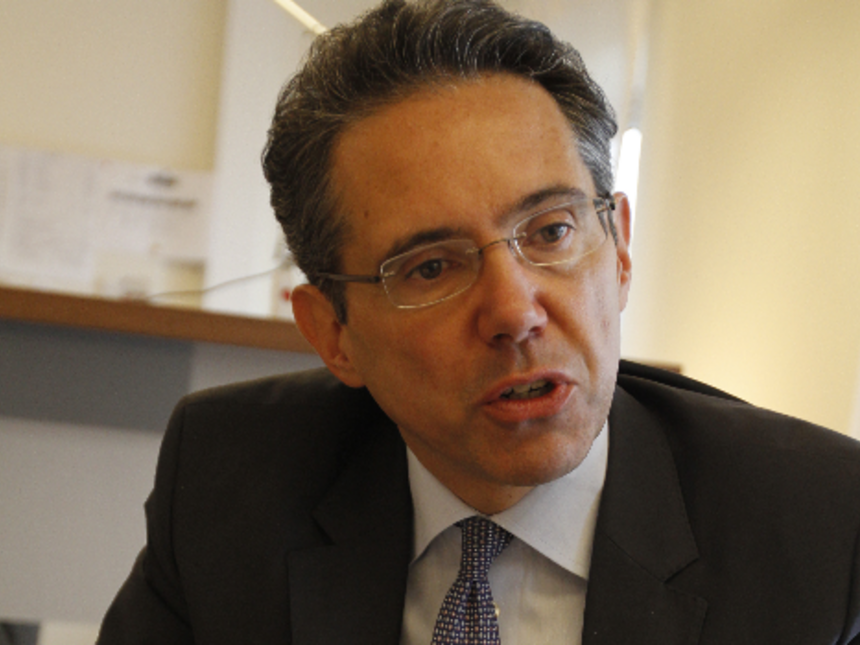
In an interview, Ambassador Johan Borgstam said that the EU welcomes the commitment of the Ethiopian Government to multiparty democracy, respect for human rights, the rule of law and gender parity.

The appointment of SahleWork Zewde as the President and appointment of 50 percent women in the cabinet are also encouraging steps toward a higher degree of gender equality and inclusiveness, he said.

The EU encourages the Ethiopian Government to continue towards developing an inclusive dialogue with all stakeholders, including federal and regional authorities, political parties, CSOs, youth groups and media on sustainable solutions towards better governance, justice and accountability, election, job creation, and security challenges.

According to him, the EU stands ready to support Ethiopia in its continued work to ensure the respect for the fundamental rights of freedom of expression and access to information, the right to assembly, foster religious tolerance and safeguard gender mainstreaming.

The Union also backs activities towards promoting women and girls’ education and empowerment and moves to eliminate all forms of violence against them, including in efforts to make the upcoming election inclusive, credible and transparent.

The EU welcomed the announcement of reforms aiming at revitalizing the economy by improving the investment climate and strengthening the role of the private sector, the ambassador said.

It appreciates Ethiopia’s engagement in multilateral free trade mechanisms, reforming key state-owned enterprises and opening them to competition and foreign participation as well as putting the economy on a fiscally sustainable path, he added.

Noting that economic reforms should contribute to addressing the crucial need for job creation in a country where two-thirds of the population is under the age of 30, Borgstam said the EU would intensify its support in job creation, industrial and agro-industrial parks, export and trade promotion as well as private sector development.

The recently proposed Africa-Europe Alliance for Sustainable Investment and Jobs promotes a strengthened framework to support Ethiopia’s economic transformation, he said.

The EU and its Member States have been steadfast allies in supporting Ethiopia through various platforms, and they will step up coordination to back government’s endeavors.

Furthermore, EU and its Member States have been providing humanitarian assistance for millions of internally displaced people across the country thereby supplementing government’s efforts to deter the existing large-scale internal displacement from posing a risk to the reform process.

Ambassador Borgstam pointed out that EU supports the driving role Ethiopia has been playing in the regional Comprehensive Refugee Response Framework (CRRF) process as the second largest refugee-hosting country in Africa.

The Union commends Ethiopia for its constructive role in the Khartoum Process and the Valletta Summit on Migration and applauds the decision the government has made to grant visa-upon arrival to African citizens as a step towards further regional and continental integration.

Source: The Ethiopian Herald
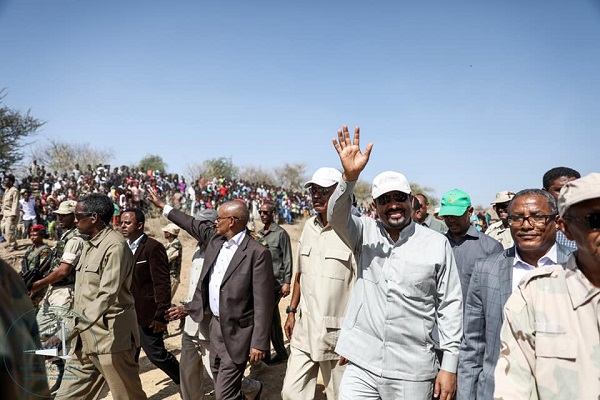
Ethiopia, Eritrea normalisation continues as new border crossing opens

Another border crossing between Ethiopia and Eritrea has been opened for travelers and businesspeople as reconciliation between the two Horn of Africa countries continues, all part of Prime Minister Abiy Ahmed’s attempts to build peace with his neighbors and broaden the political space at home.

Prime Minister Abiy Ahmed and Eritrean President Isayas Afework officially opened Oumajir-Humera border along Gonder and Eritrea, in Western Ethiopia, as Ethiopian and Eritrean Orthodox Church followers celebrated Christmas, along with the rest of the Orthodox Christian World on Monday 7 January.

This development is a further sign that the two former enemies are working to bury the hatchet after 20 years of closed borders and tensions. An update issued by the office of the prime minister says, “the opening of the border [Oumajir-Humera] will further enable the people to people connection on both sides and facilitate cross-border trade in the long term.”

The Humera-Oum Hajer border on the western side of both countries was not the first border crossing to be reopened. In September, two land crossings were opened.

Since then, relations between the neighbors have continued to improve, with the normalization allowing the free movement of people and goods.

Ethiopia’s Export Under AGOA Shows Dramatic Increase

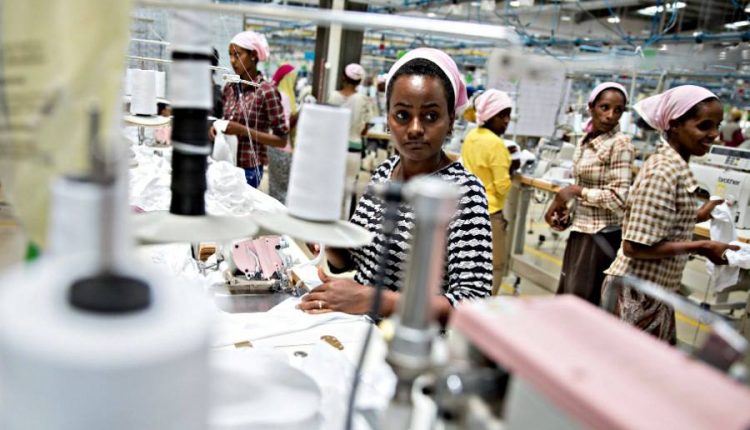
Ethiopia’s exports to the United States under the African Growth and Opportunity Act (AGOA) have risen by 62 percent in just one year. If this trend continues, Ethiopia is poised to be the second or third largest exporter in East Africa under AGOA, according to the US Agency for International Development (USAID).

Under AGOA, exports from Ethiopia, Rwanda, Uganda, Madagascar, Kenya, Tanzania, Mauritius and Burundi, the eight countries which benefit from the act, rose by 17 percent during the period October 2017 to September 2018, compared to the same period in the previous year.

In total, the eight countries exported $1 billion worth of products to the United States between October 2017 and September 2018. Kenya, the largest exporter of the eight, accounted for $454 million while Ethiopia’s exports amounted to $137 million. 84.4 percent of AGOA exports are made of apparel.

To date, USAID Hub trade and investment support have contributed to $4.07 billion in AGOA exports from the region, with $491.5 million from USAID Hub-supported firms.

AGOA is a United States Trade Act, enacted on 18 May 2000, which significantly enhances market access to the US for qualifying Sub-Saharan African countries. While it was initially intended for a period of eight years, subsequent renewals have ensured its existence until at least the year 2025.

Ethiopia pardons 530 prisoners amid Christmas day celebrations

The office of the Attorney General of Ethiopia announced on January 2 that it had pardoned 538 prisoners, both from Federal and regional prisons.

This amnesty was given on the occasion of Ethiopian Christmas, which will be celebrated on January 7 with the rest of the Orthodox Christian world.

Priority will go to mothers, elders and those whose health is not in good condition.

Zeleke Dalalo, Federal Amnesty Board Office secretary, told journalists during a press conference that the amnesty focused on those who need special attention.

“From the point of view of observing the rights of children, the Board gave special consideration to 26 mothers who were arrested with their children to make them beneficiaries of the amnesty,” he told journalists.

He also added that elderly prisoners whose names were forwarded by prison administration on the grounds that they have made the correctional service a bit difficult because of their age are included in the amnesty. Prisoners over sixty years of age are included in this category of Amnesty.

The Board decided that convicts who committed crimes like rape, homicide, severe corruption, and contraband trade would not be included in the amnesty. The consideration for this decision, according to Zeleke Dalalo, was public interest and correctional benefits of times to be served for individuals who committed the crimes mentioned above.

Since the Amnesty Law was promulgated last year, Ethiopia has given amnesty to 13,122 inmates. The Ethiopian government, following Abiy Ahmed’s appointment as the country’s Prime Minister in April 2018, has been implementing various decisions aimed at creating a nationwide reconciliation. They include the release of prisoners, the invitation for Ethiopian rebel groups for talks as well as the decision to normalize relations with its regional arch-rival Eritrea.

Ethiopia expects River Nile dam to be ready for operation in late 2020

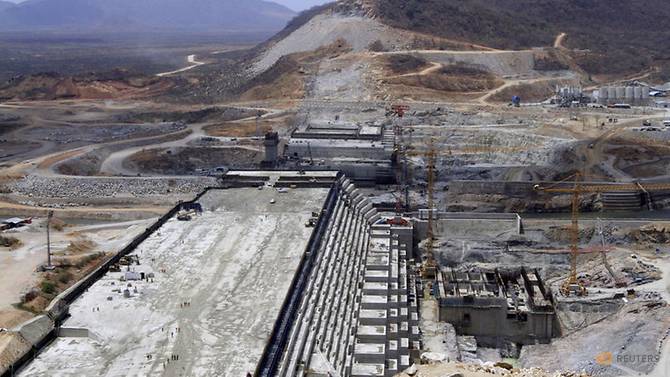
Ethiopia’s US$4 billion dam project on the River Nile will start initial operations in December 2020, according to the water and energy minister.

The planned 6,000-megawatt Grand Renaissance Dam is the centerpiece of Ethiopia’s bid to become Africa’s biggest power exporter, but until this week progress had been unclear after Prime Minister Abiy Ahmed last August canceled a state-run conglomerate’s contract to build the turbines.

The government had signed an agreement with GE Hydro France, a unit of GE Renewables, to accelerate the completion of the dam, and water and energy minister Seleshi Bekele said on Thursday3 January that the project was on track to open in two years.

“750 megawatts is the planned initial production with two turbines,” Seleshi told parliament. The government expected the dam to be fully operational by the end of 2022, he said.

When PM Abiy canceled the contract of Ethiopian military conglomerate Metals and Engineering Corporation (METEC) in August, he said that not a single turbine was operational more than seven years after the government awarded the contract. Dozens of senior officials from METEC, including its head, have been arrested in a corruption crackdown launched by the reformist leader who took office last year.

METEC had only completed 23 percent of the work. There have been other construction delays.

“Purchased generators, turbines and other equipment are scattered in ports and other places, meaning more costs,” Seleshi said.

The project was announced in 2011 and only 65 per cent of work has been completed. “It is a project that was supposed to be completed within five years, but seven or eight years later not a single turbine is operational,” Ahmed said.

Sudan, Ethiopia and Egypt have been holding regular talks regarding the project as Cairo fears it will impact access to its share of Nile waters.

GE Hydro France will be paid nearly €54 million (US$61 million) to manufacture, fix and test turbine generators.

World Bank approves $1.2 bln in grants, loans to support Ethiopia’s financial sector

The World Bank’s Board of Executive Directors approved yesterday a $1.2 billion ($600 million grant and $600 million credit) from IDA in support of the Government of Ethiopia’s policies designed to accelerate economic growth and achieve its vision of becoming a lower-middle-income country.

The funds will go towards supporting reforms in the financial sector, including improving the investment climate.

In response to the reform pledges made by the government since Prime Minister Abiy Ahmed took office in April, the bank is providing new financial and technical support.

The support will promote public-private partnerships “to improve efficiency in key sectors” including telecom, power, and trade logistics.

Promoting public-private partnerships (PPPs) will not only improve efficiency in key sectors such as telecom, power and trade logistics but also mobilize private financing which will enable Ethiopia to maximize the resources available for development financing.

In these sectors, the bank said its support would also help the government “reduce inefficiencies and operating costs and improve financial performance” to help Ethiopia attract more foreign direct investment and raise export revenues.

Until Abiy took office and began announcing sweeping political and economic reforms, the country of 105 million had an economy tightly controlled by the state.

Prime Minister met with Angela Merkel and wooed G20 investors in Berlin

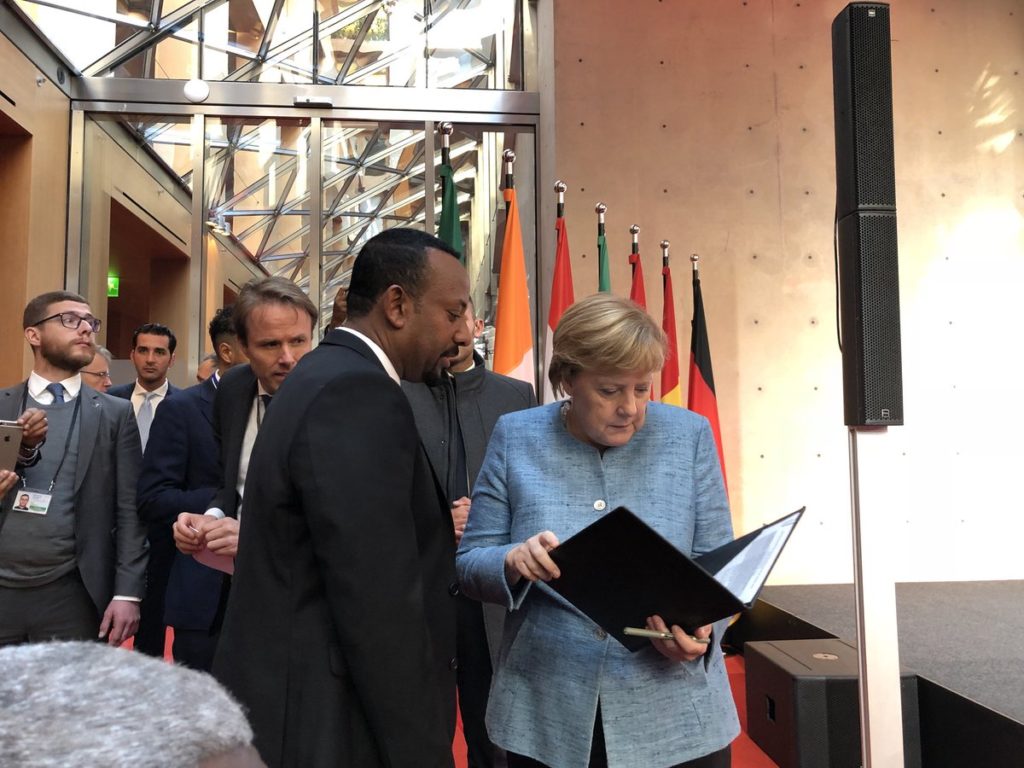
Prime Minister Abiy Ahmed arrived in Germany yesterday on the second leg of his three cities European tour.

He was received by German’s Chancellor Angela Merkel to discuss the reforms underway in Ethiopia, investment opportunities for German companies and peace efforts in the wider Horn of Africa region.

After the meeting, PM Abiy joined the second edition of the G20 Compact with Africa (CwA) meeting currently underway in Berlin.

At the G20 Compact with Africa, Prime Abiy wooed investors to partner with the government in key areas by presenting the many initiatives underway to create a conducive investment climate in Ethiopia.

“Ethiopia offers a competitive investment opportunity. I would like to take this opportunity to mention the strategic engagement we just started ….as a concrete example of what the compact initiative can deliver when focused on targeted investment, recruitment, and facilitation.

“We would like to see similar investment from G20 countries and hope this platform continues to play a driving and catalytical role,” Abiy said in his address.

His last stop on the three-city tour is the German city of Frankfurt, where he will meet with Ethiopians from different European countries.

France’s Macron vows to back Ethiopia’s reforms

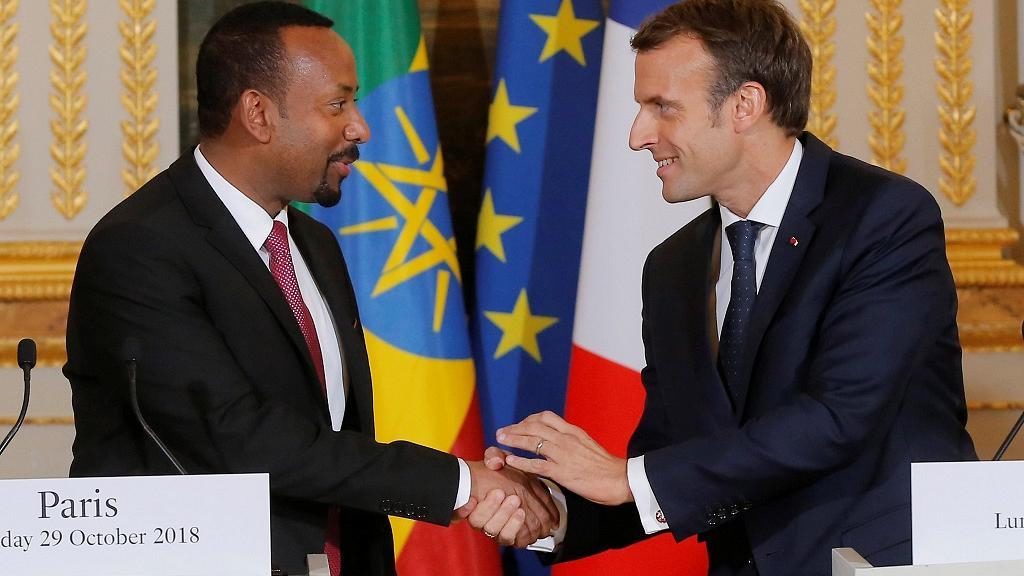
Abiy Ahmed met French President Emmanuel Macron on Monday 29 October, on his first official visit to Europe since taking office in April.

In a joint declaration issued by Prime Minister Abiy and President Macron, the two leaders have agreed to cooperate in a wide range of issues. Abiy said he expects Macron to play a key role in peacemaking efforts between neighbouring Eritrea and Djibouti, which have agreed last month to normalise ties a decade after a border standoff that led to a brief military conflict.

He also vowed to tackle the violence gripping some parts of Ethiopia, saying it would be resolved through “greater peace-building in the whole country”.

Macron and Abiy also pledged to increase cultural cooperation, especially on World Heritage sites such as the rock-hewn churches of Lalibela. France will contribute to the maintenance and renovation of the site.

“We will be by at your side in your efforts to open policies, unification of the country, calming domestic tensions. We will be by your side in your efforts of economic transformation and liberalisation. We will be there for the regional pacification you are leading”, Macron said.

“You have here a country which loves your but also admires the transformation you are carrying out”.

“I know how much he has risked to see these reforms through and how much these reforms are fraught with difficulties, but also how much Prime Minister Abiy Ahmed has chosen a courageous path,” Macron told reporters.

He added that the political, economic, social and cultural transformation that the Abiy leadership is in the process of carrying out and committed to Ethiopia is unprecedented.

Ethiopia’s new leader “chose a courageous path, we will stand by his side,” Macron reaffirmed at a news conference.

President Macron announced he would visit Ethiopia in March.

Rib Irrigation Dam Project Inaugurated


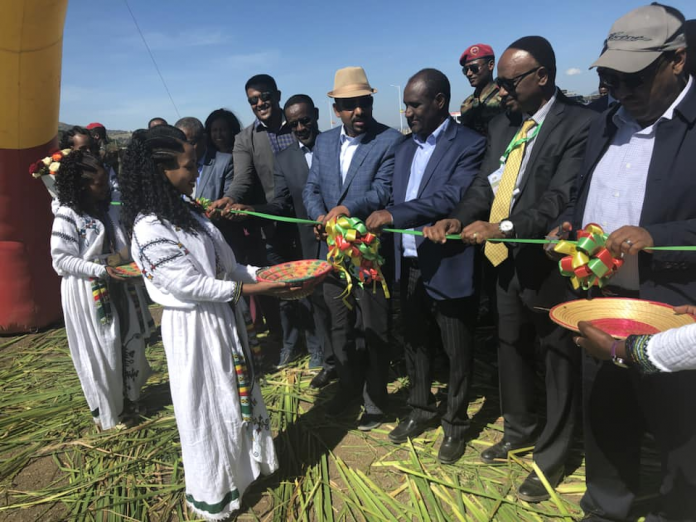
Prime Minister Abiy Ahmed officially inaugurated the 3.8 billion birr Rib Irrigational Dam Project yesterday.

Deputy Prime Minister Demeke Mekonnen, President of Amhara Regional State Gedu Andargachew and other federal and senior regional officials also presided over the inauguration of the dam.

Located in South Gondar Zone of Amhara Regional State, the Rib Irrigation Dam Project has a capacity of 234 million cubic meters of water.

With 800 meters of length and 99.5 meters of height, the Dam is expected to develop over 20, 000 hectare of land and benefit 40, 000 farmers.

Moreover, the Dam will protect Lake Tana from alluvial deposits, especially soils formed in the river valleys.

The construction of the project was started ten years ago by Ethiopian Construction Works Corporation.

Speaking on the inaugural ceremony, Prime Minister Abiy said that the government would work to improve the livelihood of people through moving forward irrigational scheme and by promoting technological mechanisms of farming in the country.

“Share of irrigation farming in the agriculture is 10 percent, which only accounts four percent of the overall GDP share,” he said adding that “the government set to take irrigational scheme as its core development agenda.”

He noted that the newly established Irrigation Commission would invigorate a wide range of activities to change the livelihood of people through developing the sector.

Abiy added that the government would provide modern techniques of agriculture and professional support to the farmers to enhance agricultural productivity across the country.

Ethiopia’s visa-on-arrival for all Africans starts November 9

Ethiopia has announced a date for the start of a visa-on-arrival regime for all Africans. Africa’s second most populous nation will start the visa-on-arrival regime from November 9, 2018.

PM Abiy had earlier this year disclosed that following Rwanda’s lead, Ethiopia was going to allow a visa-free regime for all Africans. At the time, he was speaking at a state banquet held for his visiting Rwandan counterpart, Paul Kagame.

Abiy said: “The President (Kagame) invited all Africans to travel to Rwanda without visas, we will follow you very soon.” On June 1, the issuance of visas online for all tourists started.

Ethiopia boasts the continent’s best national carrier, Ethiopian Airlines, which has made the Bole International Airport in Addis Ababa, not just a regional but a global aviation hub.

Ethiopia hopes the visa-on-arrival initiative would facilitate the economic integration of Africa by pushing tourist flow to a higher level and help advance conference tourism.

The east African country, which hosts the headquarters of the continental body, the African Union (AU), also hopes that the move will assist the AU’s initiative on the free movement of people. The AU urged all African countries to issue visa on arrival as of 2023.