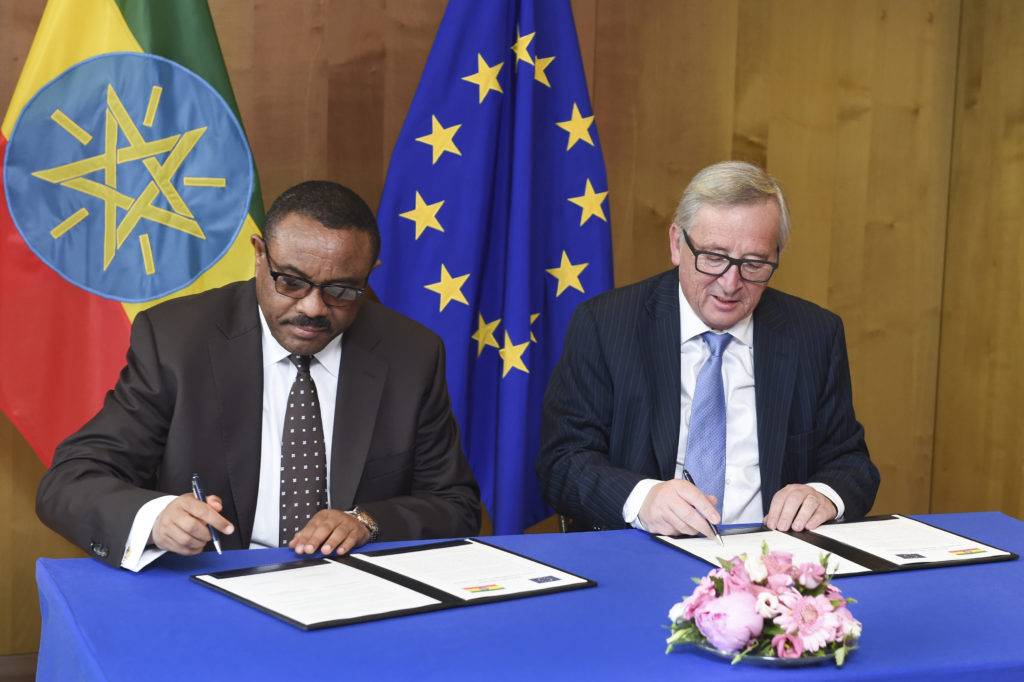
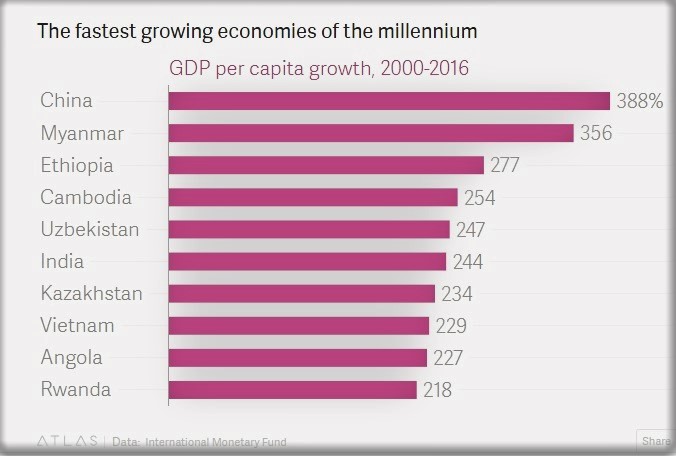
 Ethiopia is among the 17 economies which are projected to grow faster than China in Purchasing Power Parity (PPP) terms this year, according to projections in the Global Economy Watch published by international professional services firm PriceWaterhouseCoopers (PwC). The other countries include India, Ghana, and the Philippines. The PwC analysis added that eight of the ten fastest growing countries in 2018 could be in Africa.
According to PwC, China, the world’s largest economy in PPP terms, could grow by 6 to 7 percent in 2018, slower than previously, but in line with expectations. The global economy is set to grow by almost 4.0 percent this year in PPP terms, adding an extra 5 trillion USD to global output at current values. The main engines of the global economy — the United States, emerging Asia and the Eurozone — are expected to contribute almost 70 percent of economic growth in 2018, compared with their post-2000 average of around 60 percent.
The United Nations had in its world economic prospects report launched early last month stated that the world economy is expected to remain stable in 2018 and 2019, maintaining the growth rate of 3.0 percent in 2017.
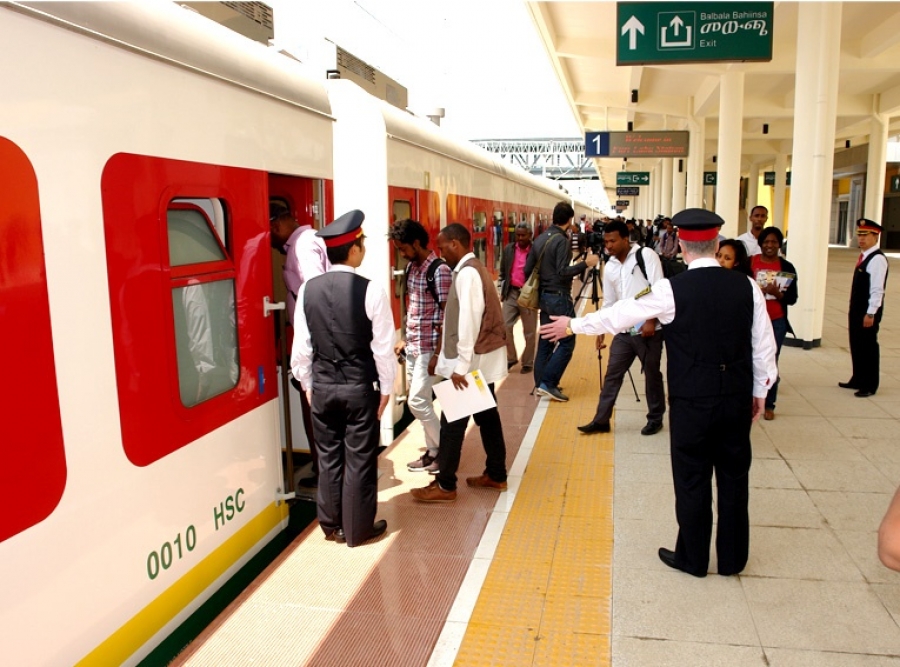 The Chinese-built 756-km electrified rail project connecting Ethiopia to Djibouti officially started commercial operations on 1 January with a ceremony held in Addis Ababa.
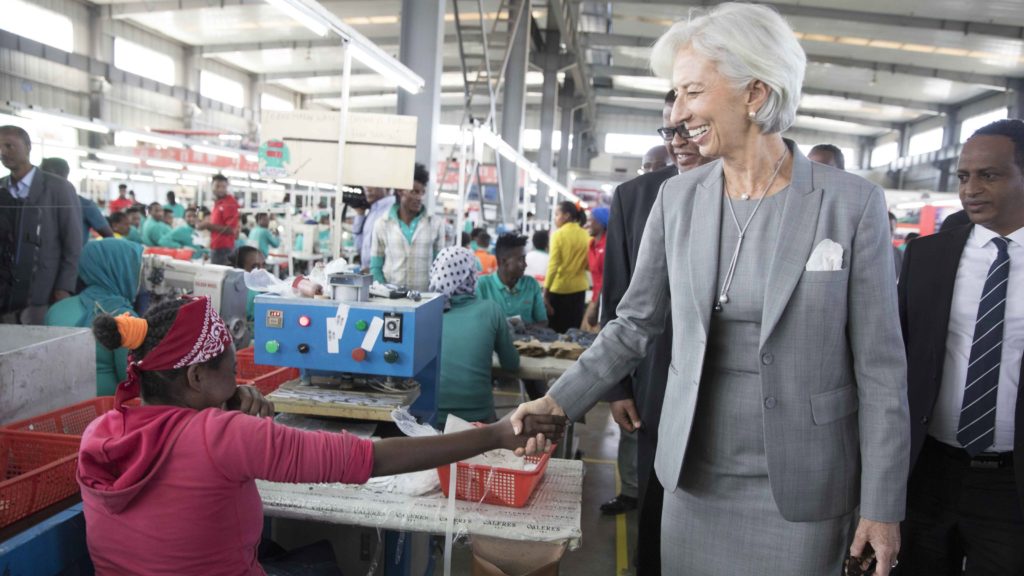 On 13 December 2017, International Monetary Fund (IMF) Managing Director, Christine Lagarde, arrived in Ethiopia for a historic three-day visit, touring new industrial parks and meeting with government officials. This is the first time in the IMF’s 72-year history that a managing director paid a visit to the Ethiopian capital, as a demonstration of Ethiopia’s growing recognition as an economic hub of Africa.